


Stop Using These Phrases In Your Community Planning
Far too often, I see or hear phrases in community plans, strategies, or in meetings such as:
“We’ll invite members to share their templates.”
“We’ll ask members to contribute their best tips.”
“We’ll invite members to talk about [topic] in our community.”
“We’ll tell members to post in the forum instead of via Discord.”
The problem isn’t the request, it’s the mindset. It completely ignores that the challenge isn’t asking people to do something, it’s persuading them to do it.
The success of many community strategies often hinges (and collapses) on these requests. We usually make huge investments of time, energy, and resources on platforms and community teams, and then trip up at this fundamental level.
And that’s because we treat this step as a given. I.e., if we ask them to do something, they’ll do it.
The reality is, this is the hardest step.
Asking feels easy – not much discussion is needed there.
But persuasion….well, that’s a different skill entirely.
And, in my experience, it’s a skill many community professionals lack.
(And one we’re trying to fix in our relaunched Advanced Engagement Methods program)
How To Persuade Members To Perform The Behavior
Asking is simply a matter of saying “please”.
Persuasion involves getting into members’ minds, figuring out how to incentivise them with the right message, from the right person, in the right medium.
Here’s an example of good and bad persuasion from a while back.
Notice in this example, we’re paying members in things money can’t buy.
Once you start thinking of the majority of your work as persuasion, you open the door to a deeper understanding of why, when, and how members will perform the behaviors you want.
And this should challenge how you engage with members today.
There are three broad elements to persuasion; the messenger, the message, and the medium.

Are You Sending Messages To The Community From The Right Messenger?
Most people blast messages to members from a generic community email account without considering the impact on engagement and open rates.
There is a vast difference between sending a request on behalf of an anonymous (or, eugh, noreply@brand.com) account and receiving a personal email from a close friend.
At the extreme, if a close family member asks for help on moving day, we’ll probably help, even if the request wasn’t great. However, we’re unlikely to help a stranger, regardless of how politely or persuasively they ask.
But within these extremes on the continuum, you have countless options in who any particular message originates from. The source of the message will significantly impact their level of engagement.
When we brought the Geotab community to life, we had the Geotab CEO send a few early thank-you messages to a small group of top members. This has a bigger impact than the new community team.
A good way to think about this is to list all the people members can receive a message from and the likely impact of each.
Once you do this, as shown below, you can see how different messages should naturally originate from different senders.
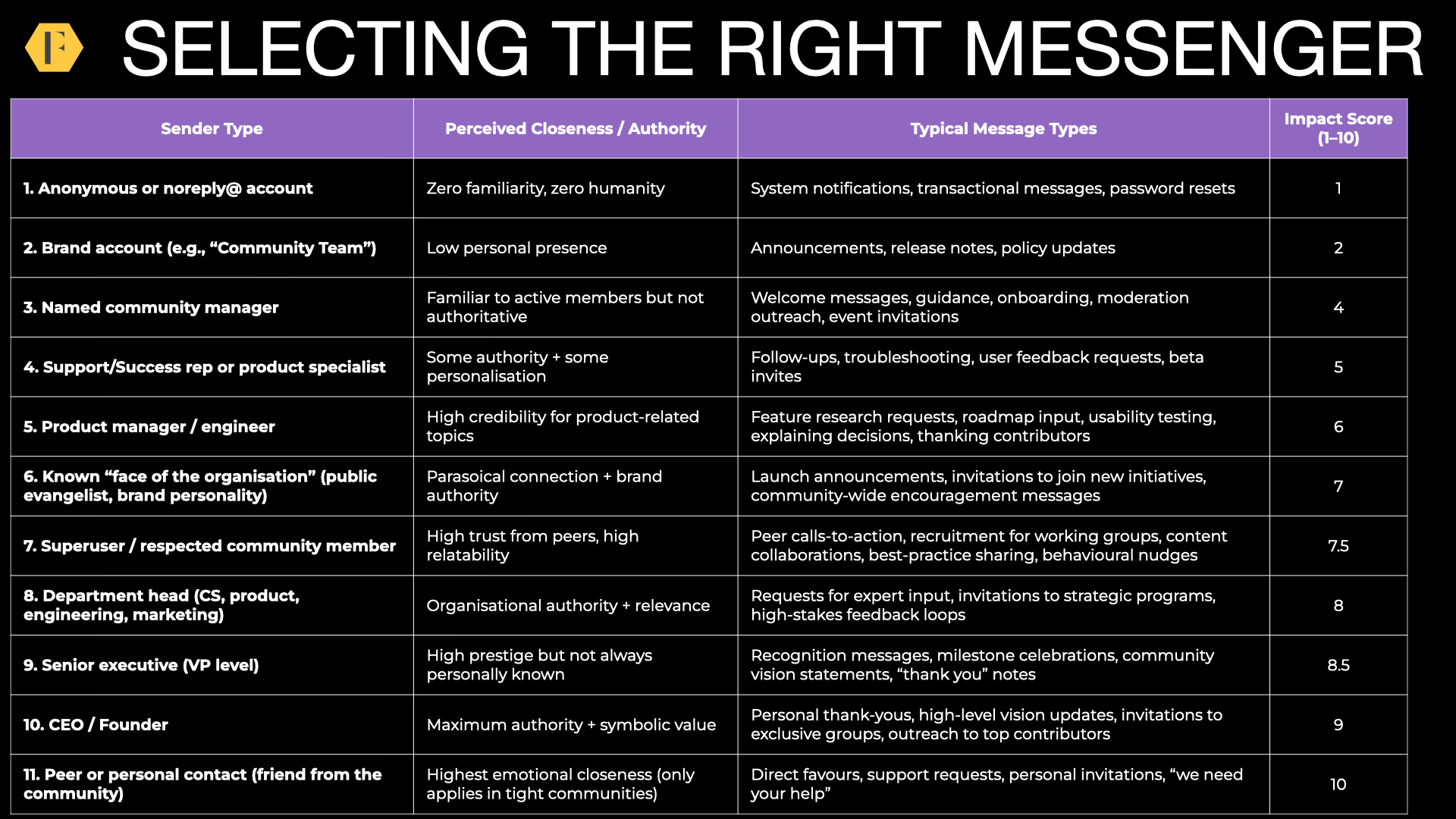
You need to match the messenger to the message’s type and gravitas. If you get this right, you are likely to outperform most people.
Ensuring the message comes from the right person will significantly impact the success rate of your request.
Optimising The Message
Now let’s talk about the message itself.
How you phrase and structure the message will significantly affect whether people respond.
Mass messages asking members to do something are far less effective than a genuinely, not AI-generated, personalised message that includes a reason for the request, an incentive for them to act, and creates a sense of urgency.
For example, there is a vast difference between:
Please, can you share templates in the community?
And…
I’ve noticed that most sales professionals are struggling to find a set of easy templates to work with. I’m assembling a small group of top experts to share their best templates for an upcoming resource we’ll send to our 40k+ members. Please share your best templates and include any links or downloadable materials we can direct readers to. The deadline for this is Friday, 18th November
These are extremes, but you get the idea. The latter clearly explains why you’re asking, why they would perform the behavior, and creates a sense of urgency to do so.
These are all things that need to be in a message – and things we can dive deeper into.
1) The Rationale
Any request should clearly state the rationale. This is the story people will tell themselves about why they’re performing the behavior. Ideally, it leverages a societal or community benefit. It should emphasize who it helps or the impact it will have.
2) The Benefit / Incentive
The next critical factor is the benefit or incentive for taking the action. Yes, helping others is great, but people are far more likely to take action when there is a benefit to them.
This benefit should be rooted in deep desires such as:
- Increase status.
- Reduce fear.
- Feel a sense of belonging.
- Experience excitement.
If none of these elements are in place, why would people perform the behavior?
The key thing here is to do this delicately. In my experience, many organisations struggle with this (junior community professionals especially). This benefit should be intangible and hinted at rather than explicitly stated.
For example, compare these two statements:
This will increase your visibility in the community, boost your status, and help position you as an expert.”
And…
We’re putting together a set of tried-and-tested templates, and yours is the one several people have referenced when looking for a solid example. Including it here would give our entire community others a reliable model to follow.
Subtlety is key here. You need to hint at the benefit without being explicit.
3) The Urgency Factor
Finally, we need to give people a reason to do it sooner rather than later.
Why would they perform this behavior now? What is the urgency to do it today? Why not perform it tomorrow or add it to the bottom of the to-do list.
Your message must include urgency, which can come from:
- A deadline (“The deadline is Friday, 18th November”)
- A scarcity cue (“Only a handful of contributors will be featured”)
- A sequencing reason (“We’re finalising the resource this week”)
- A relevance window (“This ties to next week’s product announcement”)
Without this, the message becomes something they’ll “get to later” – which they never will.
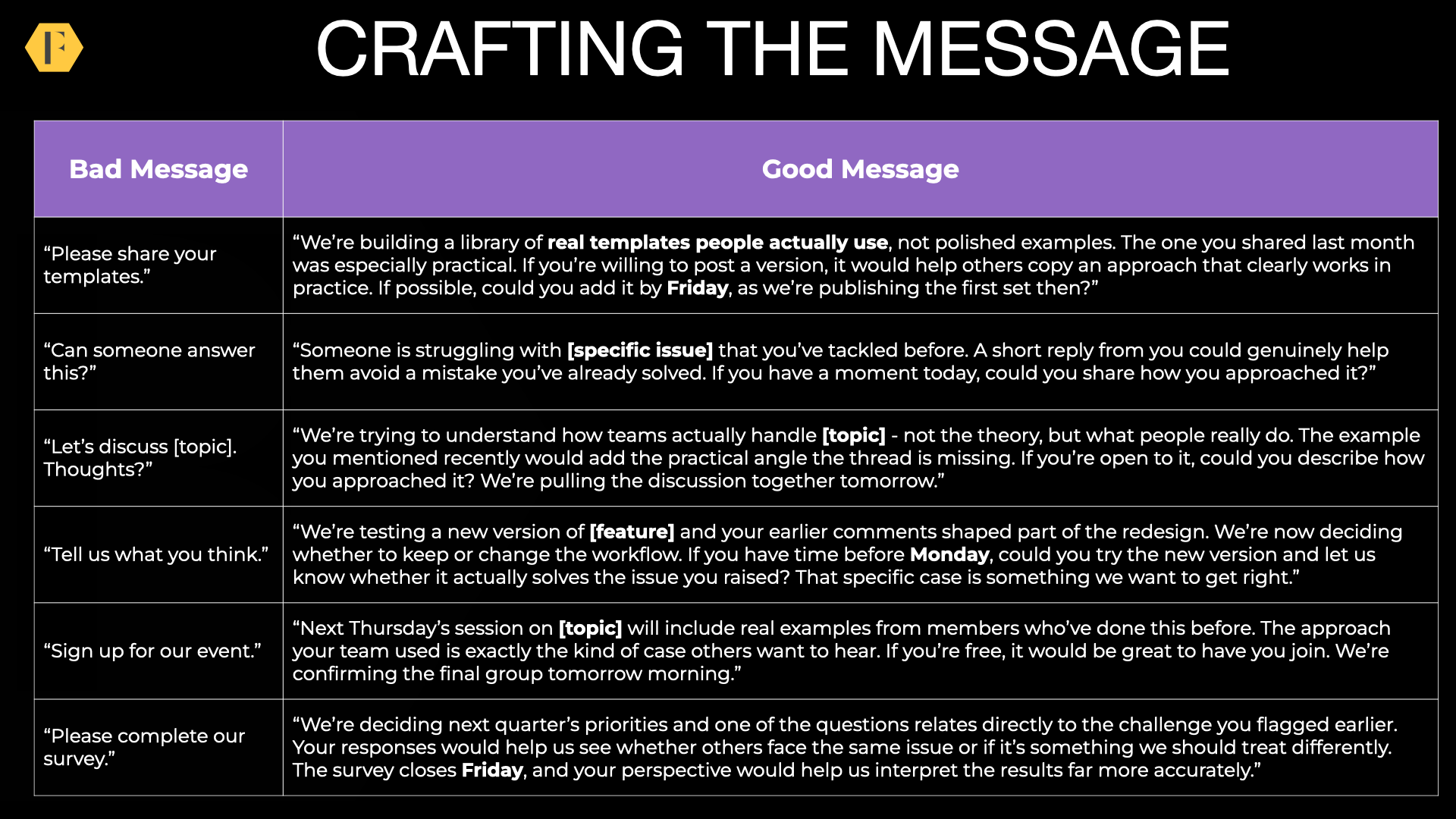
Below are examples of good and bad messages in action.
The Medium
When you want members to act, what medium do you use?
If you’re like most people, you use emails or notifications.
The reason is apparent: it’s the most accessible.
But it’s also the least persuasive.
A far better approach is to consider which medium best matches the scale and impact requirements.
Email has a massive reach, but limited impact. A post in the community might have a smaller reach, but a bigger impact.
What matters here are two things.
- Sense of presence. It’s a lot easier to ignore someone by email than the same person standing right in front of you. The higher the sense of presence, the higher the level of attention.
- Scalability / Audience size. The problem with the former is that it’s patently unscalable. You can’t have individual communications with thousands of members. We need to balance the request’s reach with the required presence.
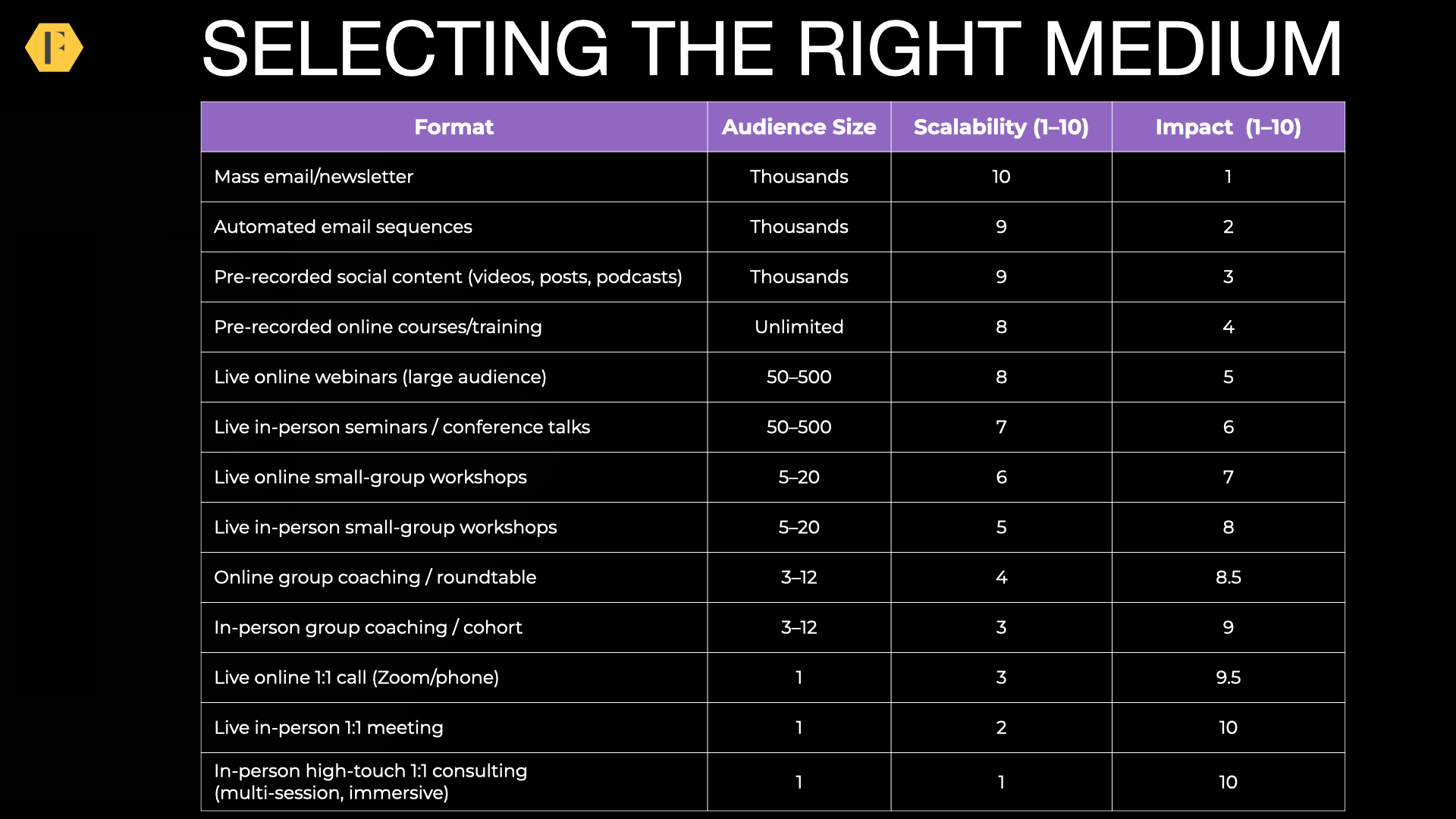
Any request can be undertaken through a variety of channels. It can be through notifications, mass emails, personal emails, group calls, etc…The key is to match the medium to the required impact and the number of people you need to reach.
This is also why it’s usually bad practice to send mass emails to community members asking them all to do the same thing. That’s not persuasive. Far easier to zero in on the people most likely to perform the behavior and select the right medium to ask them.
Get Strategic About How You Will Persuade Members
Too many organisations overlook that much of the success of communities, especially non-support communities, depends on persuasive skills.
You can’t simply ask members to perform the behavior and expect them to do it. You have to think deeply about the messenger, message, and medium.
You must ensure the message originates from someone the recipient(s) know, trust, and want to help and support.
You need to design a message that provides a rationale for the behavior, highlights the benefits, and creates a sense of urgency.
Then you have to select the right medium to deliver the message.
Learn Critical Persuasive Skills To Build Your Community
If you want to enhance your persuasion skills, I invite you to join our relaunched Advanced Engagement Methods Program.
This course covers:
- Month 1: Psychology and Motivation
- The psychological foundations behind all effective engagement systems.
- Core motivation research and how to apply it accurately
- Identifying audience needs and building motivation-driven engagement models.
- Month 2: Communication and Persuasion
- How to influence members’ decisions and actions.
- Using heuristics, priming, and targeted messaging.
- Choosing the right media and messages to increase participation and credibility.
- Month 3: Focus and Prioritisation
- Assess how you currently spend your engagement time.
- Identifying high-value vs low-value tasks.
- Using systems, delegation, and automation to focus on the work that drives long-term results.
The fee for this program is $1250.
However, if you sign up within the next 2 weeks, you can use the code ‘jan20’ for a $250 discount!


